Rabbi Chaim Greineman on Ha’arama
See Chiddushim Ubiurim on Beitza 15b “ואם הותיר”. And see there 18b from the Mishna in Shabbos, “ואם נתרפא נתרפא”.

See Chiddushim Ubiurim on Beitza 15b “ואם הותיר”. And see there 18b from the Mishna in Shabbos, “ואם נתרפא נתרפא”.
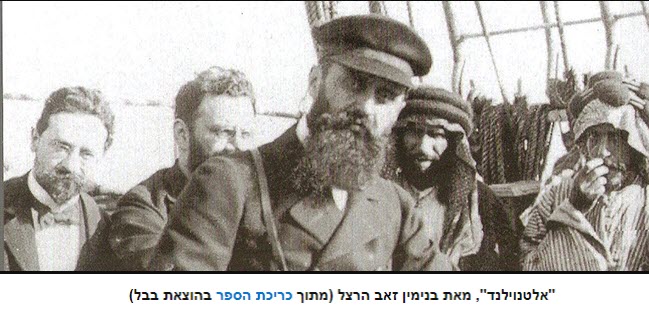
התנועה הציונית הוקמה על ידי בנימין זאב הרצל שהתמסר לרעיון כבר מסוף המאה ה-19. מטרת הציונות, מראשית הקמת התנועה, הייתה מענה ל”שאלת היהודים” – סכנה קיומית שריחפה על יהודים בגולה. האסון התממש – הציונות נכשלה – איחרנו את הרכבת.
הרצל, בן למשפחה חילונית, חווה אירועים אנטישמיים מגיל צעיר בבודפשט, הונגריה בה גדל. הוא למד בבית הספר יסודי יהודי והמשיך את לימודי התיכון בגימנסיה הריאלית הציבורית, אותה נאלץ לעזוב עקב אווירה אנטי יהודית עוינת. את לימודי המשפטים סיים באוניברסיטת וינה בה השלים דוקטורט במשפטים. גם את אגודת הסטודנטים נאלץ לעזוב בגלל איבה ליהודים. את מקצוע עריכת הדין נטש לדבריו בעיקר בגלל מגבלות קידום מקצועי על רקע אנטישמי.
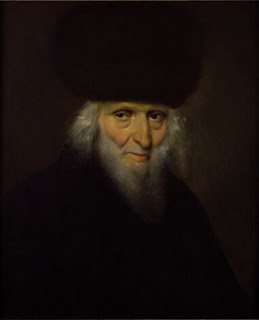
אנקדוטה סמלית ומעניינת אודות הרצל, שנעלמה מאתנו, אינה מוזכרת (ואינה שייכת לנושא הכתבה…): בנימין זאב הרצל היה בן למשפחה ספרדית מצד אביו, ואשכנזי מצד אמו… סבו של הרצל היה גבאי בית כנסת של קהילה ספרדית בסרביה בה כיהן הרב יהודה שלמה אלקלעי. רב יוצא דופן שהיה ציוני עוד לפני שהומצא המונח “ציונות” וגם עלה בעצמו לארץ ישראל. מנפלאות ההיסטוריה היהודית… הרצל בישר בדמותו גם את מיזוג עדות ישראל.
יש לשער שהגותו של הרב הדומיננטי אלקלעי (שמוכר היום כאחד ממבשרי הציונות הראשונים) השפיעה על הלך הרוחות במשפחה מצד האב, ותרמה גם היא להתפתחות המחשבה הציונית אצל הרצל.
את הרצל הטרידה בראש ובראשונה “שאלת היהודים”. הסיכון הקיומי שמרחף על יהודים. בשנת 1895 הוא ציין ביומנו בפריז כי אף חלפה בראשו המחשבה שהתנצרות המונית עשויה להיות הפתרון ל”בעיה היהודית”. הקונגרס הציוני הראשון שהרצל יזם בבזל שבשוויץ (1897) קרא להקמת בית ליהודים בארץ ישראל. למרות זאת, בערה בהרצל ההכרה שיש להוציא את היהודים מאירופה ופחות חשוב לאן: אוגנדה, קפריסין, צפון סיני, או ארץ ישראל. פעילותו הציונית האינטנסיבית נמשכה פחות מעשר שנים – הרצל נפטר בגיל 44.
Whenever Mashgichim (and those influenced by them) speak of past generations’ sins (which are numerous and mentioned everywhere), there is the tired, obligatory disclaimer:
Just as the pluperfect Roshei Yeshivos of old would tell our perfect teachers who in turn would tell us when we were sitting in your place a thousand times, and as we have bored you with a million times, we are not, in fact, discussing the students of Rabbi Akiva or the Shevatim. We are speaking to and of ourselves, handily using them כאדם שמקלל עצמו ותולה קללתו באחרים. And we aren’t speaking of Biblical personalities, but repeating Chazal, who teach us the ways of life; they too merely using our inherently perfect primogenitors as poor paradigms.
So, to drill deeper, when we mention these angels’ names, we refer not to the discarnate giants themselves, Tzaddik forfend, but to these Platonic Ideals made flesh elsewhere, in lesser, fallen specimens; those who do, in fact, you know… SIN.
Is it clear yet, or should I say it once more, for those who only perk up the third time a thing is said?
Ugh. The end.
While, indeed, the Torah’s message is central, not the facts employed (and the same, as Yeshayahu Leibowitz said, goes for the science), the message itself includes that humans tend to sin, with some degree of malice – all of them. Even if they didn’t sin today, they sinned yesterday, and עברה גוררת עברה, slight Meizid leads to some large Shogeg. The very greatness of the individuals amplifies the lesson we cannot rely on ourselves and must be forever vigilant and precede prayer to escape the evil inclination.
And we cannot relate to angels, so we cannot learn anything at all from them if they are “angels”, and us “donkey” shadows.
No matter how much the sin is “explained” (the person had good intentions, etc.), even if this is the case, there must still be some degree of sinfulness remaining, otherwise, why is it mentioned against them, and/or why were they punished? (And don’t we, too, often have good intentions? Except, we are partially deceiving ourselves beneath the ingenious justifications, the same way they did.)
The big problem is, this Mussar nonsense prevents us from improving upon the past…!
Why do we celebrate, after the 24,000 Talmidim stopped dying?
The Pri Chodosh ( O Ch. 493 ) asked this question and answered that the Simcha is, for the five new talmidim (after the death of the 24,000) who didn’t die. (קצת דוחק -אמבצי)
Perhaps we can say, in Shas Bavli & Yerushalmi there is no mention of Lag Baomer. The first ones to mention L.B. are some Rishonim in the name of the Gaonim. The Rishonim, Tur, and Mechaber who do mention Lag Baomer don’t mention or consider L. B. as a day of Simcha. All they say is that there is no Aveilus on L. B., (weddings, haircuts etc. permitted) because they stopped dying. There is no mention of a Yom Tov on L. B.
It is only the Rema in the name of the Maharil who writes that on L. B. we are “מרבים בו קצת שמחה*.” (increase a little Simcha)
The Rema does not give any reason why the Simcha. It definitely is not because they stopped dying, but for other reasons.
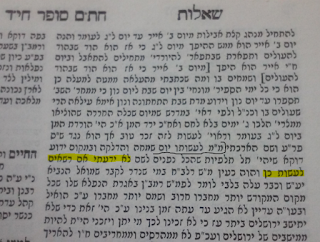
The Chasam Sofer (Y.D. 233) gives two reasons why we increase with Simcha on L. B.
1) הוד שבהוד (Kabalistic)
2) According to the Midrash, the מן (Manna) came down the first time on L. B.
The Chasam Sofer continues and says that To establish Lag Baomer. as a Yom of Simcha and make a fire at this specific place (Meron) and have the masses come there, He is not sure if this may be done. No נס happened on that day and no mention of it in the Gemoro or Poskim as Yom Tov. The extent of Simcha is only, no fasting and no hesped.
Because they stopped dying we stop our Aveilus but this is not the reason why we rejoice. We rejoice because of הוד שבהוד or because of the מן etc.
* seems less Simcha than Mishnichnas Adar Marbin B’Simcha (no Ketzas).