They were involved in the first ban. And they later admitted they had not read the second edition.
You can hear all about it in the following Torah In Motion interview with Rabbi Kamenetsky, approx. minute 39:40 through 50:55.

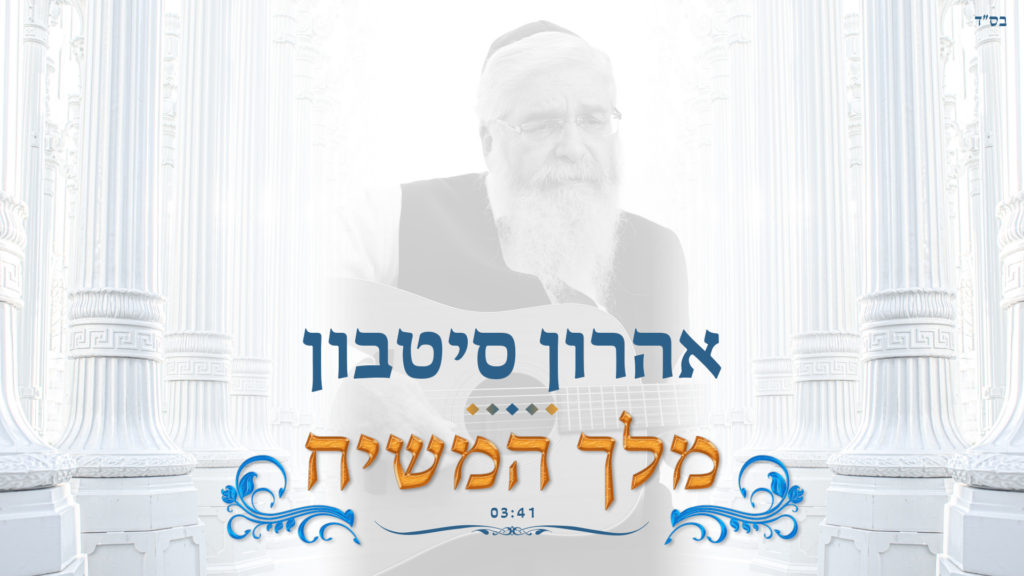
אחרי שכבש את במת היכל מנורה עם שירו החדש “מלך המשיח“, בביצוע ראשוני מיוחד ומרגש, כשהוא מלווה בילדיו ונכדיו. במסגרת כנס נשות חב”ד הארצי. ובעקבות התלהבות קהל האלפים שגדש את ההיכל, ושובל הפידבקים המדהימים שהלך ונמשך הרבה אחרי שכבו האורות האחרונים שבהיכל. אהרון סיטבון לקח את-זה צעד אחד קדימה, ומשיק סינגל חדש.
Reproduced with permission.
While living in Paris, Rabbi Dr Rabinowitz began translating the Talmud into French When his friend, Louis Pasteur, saw a copy of “Seder Mo’ed” – the tractates dealing primarily with the Jewish holiday cycle – it roused his curiosity. To his amazement he read there the following statement:
“If someone is bitten by a mad dog [affected with rabies], he should be fed the lobe of that dog’s liver.”
The doctor was amazed at this healing method, which used part of the infected animal itself. He concluded that the Sages knew that an infected body produces antibodies, which attack an invading infection. Moreover, it seems that the antibodies, which concentrate in the liver, could actually help heal a person who was bitten by a rabid dog. Doc. Pasteur immediately began a series of experiments that eventually resulted in the saving of millions of human lives.
It really bothers me when people use falsehoods to try and make other people religious. To me, this seems like a complete distortion of both history (and science) and – more importantly – of Torah. Let’s have a look at the facts:
About Rabinowitz, I only know what google tells me. Apparently Dr. Israel Mikhl Rabinowitz was originally from Grodno and eventually came to Paris where he qualified as a doctor. But he gave up medicine to devote himself to translating the Talmud into French (the international language of the time). According to this website
Between 1871 and 1880… he published excerpts of the sequence: זרעים, מועד, נשׁים, נזיקין, קדשׁים, טהרות [six books of Mishna: Seeds, Holidays, Women, Damages, Sanctity, Purification] accompanied by forwards and comments.
It is perhaps conceivable that he knew Louis Pasteur. But Pasteur had begun work on vaccination in the mid 1860s. While his vaccine for rabies was first used only in 1885, the concept of vaccines went back to Jenner’s work in 1796. Furthermore, Pasteur did not use livers to obtain his vaccine, but saliva from rabid dogs. It is possible that the story Cohen tells is true, but to my mind extremely unlikely that reading the Talmud led to his discovery of the vaccine.
Now let us look at the Talmud:
The Mishna (Yoma chapter 8 number 6) tells us that the idea of eating the lobe of the liver of the diseased dog was actually forbidden by the majority of the Rabbis. Only Matia ben Cheresh permitted it. Soncino translates thus (Yoma 82b):
IF ONE WAS BIT BY A MAD DOG, HE MAY NOT GIVE HIM TO EAT THE LOBE OF ITS LIVER, BUT R. MATTHIA B. HERESH PERMITS IT
As Rabbi Dr. Fred Rosner points out, he lived in Rome and was thus acquainted with the wisdom of the ancient physicians such as Dioscorides, Galen, and others. In other words, not only is the ‘cure’ not agreed to by the Rabbis, its source is not actually Jewish, but from the Greeks. In fact, “Vegetius Renatus (3rd century) recommended that cattle bitten by a rabid dog could be protected by making them swallow the boiled liver of the dog.” Perhaps he learnt this from Rav Matia ben Cheresh, but it seems to me equally possible that Rav Matia learnt it from him. It is possible that Matia lived earlier (2nd century) which means that we should credit him with the cure. But I am not convinced that his cure was discovered from his knowledge of Torah, but rather from the medicine that was being discovered in Rome at that time.
If we look at the Talmud (84a) that follows this Mishna, we see that the Rabbis’ ideas of cures were very different from those of modern medicine.
‘One whom it bites, dies’. What is the remedy? — Abaye said: Let him take the skin of a male hyena and write upon it: I, So-and-so, the son of that-and-that woman, write upon the skin of a male Hyena: Hami, kanti, kloros. God, God, Lord of Hosts, Amen, Amen, Selah, Then let him strip off his clothes, and bury then, in a grave [at cross-roads], for twelve months of a year. Then he should take them out and burn them in an oven, and scatter the ashes. During these twelve months, if he drinks water, he shall not drink it but out of a copper tube, lest he see the shadow of the demon and be endangered. Thus the mother of Abba b. Martha, who is Abba b. Minyumi, made for him a tube of gold [for drinking purposes].
According to Zamir Cohen, the Rabbis of the Talmud knew all of modern medicine and should be thanked for inventing vaccines and saving lives. Do you think that even he would go to a doctor who prescribed this kind of treatment? The Rabbis of the Talmud thought that rabies was caused by either witchcraft or an evil spirit:
Where does it come from? — Rab said: Witches are having their fun with it. Samuel said: An evil spirit rests upon it
Is it not dishonest to claim that the Rabbis understood that “infected body produces antibodies, which attack an invading infection.” Would Pasteur really have been impressed by this scientific knowledge?
Why does any of this make a difference? Apart from the fact that I think it is a perversion and distortion of Torah (which bothers me a LOT), it has major implications for halacha. The next sugya in the Talmud there is about the definition of death. Do we check the nose (for respiration) or the heart (from cardiac activity)? If the Rabbis of the Talmud knew all of modern medicine and received their knowledge from the Torah, then there is no possibility that modern medicine knows better than they about things like deep brain stem death. If, on the other hand, the Rabbis were telling us the wisdom of their time, then perhaps we can update Jewish views on medicine to take into account modern medicine and techniques.
שמעתי מכמה אנשים שהחפץ חיים מתחלה היה בעל לשון הרע, חלילה, ושכ”כ הרב יצחק הוטנר זצ”ל. ולא היא.
ז”ל פחד יצחק – אגרות ומכתבים קכ”ח:
רעה חולה היא אצלנו שכאשר מתעסקים אנו אנו בצדדי השלימות של גדולינו, הננו מטפלים בסיכום האחרון של מעלתם. מספרים אנו על דרכי השלימות שלהם, בשעה שאנחנו מדלגים על המאבק הפנימי שהתחולל בנפשם… הכל משוחחים, מתפעלים ומרימים על נס את טהרת הלשון של בעל החפץ-חיים זצ”ל, אבל מי יודע מן כל המלחמות, המאבקים, המכשולים, הנפילות, והנסיגות לאחור שמצא החפץ-חיים בדרך המלחמה שלו עם יצרו הרע, משל אחד מני אלף.
ע”כ.
חשוב שלא להסתיר חסרונות בצדיקים כשיש תועלת, אך גם אין להוציא שם רע על המתים!
But Rabbi Elyashiv didn’t consult with his victim the second time, either. His ostensible excuse was that the witnesses had this time assured him that they had each read the book themselves and that neither of them was ever involved with the original ban. These individuals were Rabbi Don Segal (famous Israeli mashgiach) and Rabbi Yosef Rosenblum (dean of Brooklyn, Chassidic “Sha’arei Yosher” yeshiva) — not to be confused with Jonathan Rosenblum.
Except again this was all a lie (Surprise!).
They were involved in the first ban. And they later admitted they had not read the second edition.
You can hear all about it in the following Torah In Motion interview with Rabbi Kamenetsky, approx. minute 39:40 through 50:55.
(You must create an account to hear the full-length original.)
פרדוקס בני ברק הוא כינוי לסתירה שבין מצב הבריאות ותוחלת החיים הארוכה של הציבור החרדי יחסית למגזרים אחרים שנמצאים במצב סוציו-אקונומי דומה.
בדרך כלל נמצאת התאמה בין המצב הסוציו-אקונומי של חברה מסוימת לבין תוחלת החיים באותה חברה, התאמה הידועה כבר שנים רבות ונבדקה במקומות רבים בעולם. התאמה זו נכונה הן בהשוואה בין מדינות שונות, והן בהשוואה בין ערים שונות. חוקרים הצביעו על כמה קשרים אפשריים בין התופעות, בין היתר: נגישות פחותה לשירותי בריאות, חוסר במשאבים המפריע לשמירה על בריאות תקינה, מתח, מגורים בשכונות צפופות, היגיינה ועוד.
מחקרים שנערכו בישראל ובארצות הברית מצאו שתוחלת החיים בריכוזים חרדיים גבוהה יותר. רובע ברוקלין בניו יורק, שבו ריכוז גדול של יהודים חרדים ובו כשליש מהאוכלוסייה מצוי בעוני, נחשב לאחד מהמחוזות מאריכי החיים בארצות הברית, וריכוז האנשים שעברו את גיל מאה בברוקלין הוא מהגבוהים בעולם. חוקרים נטו לייחס תופעה זו למטען הגנטי השונה של היהודים, אך ממצאים דומים נמצאו גם בהשוואה בין תושבים יהודים בישראל. בסקר החברתי של הלשכה המרכזית לסטטיסטיקה מ-2012, דיווחו 73.6% מהחרדים שבריאותם כ”טובה מאוד”, לעומת כ-50% בקבוצות אוכלוסייה אחרות. ורק 18.7% אחוז מהחרדים דיווחו כי הם סובלים מבעיה בריאותית כלשהי, לעומת שיעור כפול ויותר בקבוצות אחרות. האוכלוסייה החרדית צעירה יחסית, אולם גם לאחר ביצוע התאמות לפי גיל, נותרו פערים משמעותיים: 64.6% מהחרדים הגדירו את בריאותם כ”טובה מאוד”, לעומת 55%–51 בקרב קבוצות אחרות בחברה היהודית.
במחקר השוואתי שערכו דב צ’רניחובסקי וחן שרוני, השוו השניים את תוחלת החיים בערים בישראל הכוללות מעל 50,000 תושבים. בעוד שבכל הערים נמצא קשר ישיר בין המצב הסוציו-אקונומי לתוחלת החיים, שלוש ערים חרגו בהרבה מהמגמה – ונרשמה בהן תוחלת חיים ארוכה בצורה משמעותית מערים בעלות מצב סוציו-אקונומי דומה. שלוש הערים הן ערים בעלות ריכוז גבוה של אוכלוסייה חרדית: בני ברק (95%), בית שמש (46%) וירושלים (31%). הפרדוקס מתרחש על אף שהאוכלוסייה החרדית מודעת פחות מזו החילונית לרפואה מונעת, תזונה בריאה ופעילות גופנית – שהן אבני הדרך בהמלצות לאריכות ימים. מובהקות סטטיסטית לאריכות ימים אצל חרדים בישראל נמצאה גם בדו”ח של המוסד לביטוח לאומי משנת 2017. אך צויין בהסתייגות כי המודל לפיו הם מודדים מי הוא חרדי עלול להיות בעייתי בגילאים מתקדמים.
מחקר זה מצטרף למחקרים קודמים המראים כי אנשים מאמינים מאריכים ימים יותר מאנשים לא מאמינים.
צ’רניחובסקי ושרוני הציעו להבין את התופעה בתוצאה של ה”הון החברתי” של החברה החרדית. לדבריהם, החברה החרדית בנויה על מעגלי תמיכה חברתיים המקהים את תחושת העוני, ומסייעים לפרט שנקלע למשבר. להון החברתי של הקהילה החרדית השלכות נוספות שעשויות להשפיע על תוחלת החיים, כגון: דיווח נמוך על תחושת בדידות, ושביעות רצון מהקשר עם המשפחה. בנוסף לכך למבוגר החרדי הממוצע יש תחושת משמעות רבה יותר לחייו בהיותו עוסק בפעילויות המשמרות את פעילותו הקוגניטיבית והחברתית כגון לימוד תורה ותפילה במניין. מעבר לכך, ישנו היחס המכבד של היהדות לאדם המבוגר במצוות “מפני שיבה תקום והדרת פני זקן”.
חוקרים אחרים קושרים נתונים אלה גם לעובדה שהחרדים מועסקים בשיעור נמוך יותר מכלל האוכלוסייה במקצועות צווארון כחול כגון בינוי וחקלאות, ובכך נחשפים פחות לתחלואה מקצועית. גורם נוסף לדבריהם שעשוי להשפיע על תוחלת החיים הגבוהה במגזר היא היחשפות נמוכה יותר לגורמי סיכון אחרים, כגון שירות צבאי, עישון סיגריות וצריכת סמים ואלכוהול.
הסוציולוגית חיה שטייר הסבירה את הפער באי-הדיוק של הגדרת עוני בהסתמך על מדדים כלכליים בלבד. לטענתה, למרות היות החברה החרדית ענייה על פי מבחנים כלכליים, היא איננה “תרבות עוני” מבחינות סוציולוגיות. להפך, התרבות החרדית מעודדת במידה רבה את העוני הכלכלי, וממילא תוחלת החיים שלה מתאימה לחברת רווחה. טענה דומה מופיעה גם במחקר שערכה ניצה (קלינר) קסיר. משכך אין זה מפתיע שלא נמצאה התאמה בין המצב הסוציו-אקונמי של בני ברק ותוחלת החיים של תושביה.