בחודש וחצי האחרונים נחתמו למעלה מ-30 צווים מנהליים כנגד צעירים מגבעות וממאחזי יהודה ושומרון, או אנשים מהמעגל התומך בהם. כמעט בכל יום נעצר צעיר אחר, ומקבל צו הגבלה.
מי שקצת מתמצא, מבין שנקבעה עליית מדרגה חדה בשימוש בצווים המנהליים. אם בעבר בעיקר פעילים בולטים קיבלו צווי הגבלה, כעת הותר הרסן, והשימוש בצווים אלו הפך לכלי על מנת ‘למגר את נוער הגבעות’ כהגדרת השלטונות. כל נער שהתגורר בגבעה או מאחז בלתי חוקי הפך ליעד לגיטימי לצו מנהלי, שמטרתו להביא אותו בדרך עקיפה אל בין כותלי הכלא.
כל אחד מאותם נערים שהורחקו מיהודה ושומרון בחודש האחרון קיבל למעשה גם איסור יצירת קשר עם חבריו הקרובים (20-30 בממוצע ואצל אחדים גם 70-80). צו זה שאינו נדרש לשום הנמקה, קובע באופן שרירותי עם אלו חברים אסור לאותו נער לדבר. המשמעות הישירה של אותו צו שהוא מציב בפניו אחת משתי ברירות – או להתנתק באופן מוחלט מהחברה שבה הוא חי עד לפני דקה אחת, מחבריו הקרובים (לא להשתתף בחתונותיהם, באירועים חברתיים) או לקחת את הסיכון של ישיבה במעצר עד לתום ההליכים.
המטרה המובהקת (וגם המוצהרת) של פעולותיה של הכנופיה היהודית בשב”כ, היא למגר את נוער הגבעות, עד שכל אותם נערים יהיו מאחורי סורג ובריח. או כפי שאמר שי דקוסטה מפקד ימ”ר ש”י לאחד הנערים: “שלא ישאר אף אחד עם גוזמבות”.
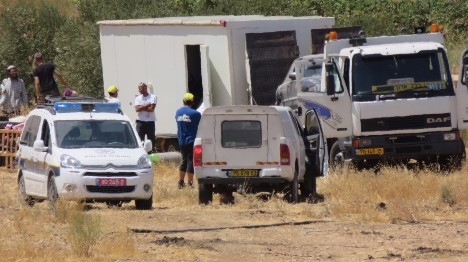
פינוי במאחז הבלאדים (TPS)
2. כולנו נוער הגבעות
מי הם אותם ‘נוער הגבעות’ שהממסד רודף באכזריות ובריונות מרושעת כל כך?
כאשר הגעתי לגבעות גרתי בהתחלה במאחז ‘שבות עמי’ ליד היישוב קדומים. המאחז היה שייך לתנועת ‘נוער למען ארץ ישראל’, והשקענו את כל כוחנו באחיזה במקום. ומנגד, כוחות הביטחון השקיעו מאמצים אדירים וכסף רב להריסת המקום. תופעה שהיא פלאית בעיני גם היום – שמונה שנים אחרי.
מקרה שזכור לי ביותר היה באחד מימי השישי. ישבנו מתחת לעץ החרוב, המבנה נהרס שבוע לפני כן, אפרים ישב ולמד שנים מקרא ואחד תרגום, אהרון קרא ספר ואני ישבתי וקשרתי ציצית לכבוד שבת. פתאום זיהינו ג’יפ צבא שמגיע למרגלות הגבעה. מדובר היה באירוע שגרתי, חיילים מגיעים לוודא שחלילה וחס לא נוכחים יהודים במקום. עברנו לצד השני של הגבעה, שגם שם היה עץ חרוב שזכה לכינוי “החרוב השני”, והמשכנו בעיסוקינו. בדרך כלל לא היה כוח לחיילים לסרוק את כל הגבעה, כדי לוודא שהיא נקייה מיהודים.
לפתע שמענו שאגות הסתערות. בריצה ועם פנים מלאות שנאה הסתערו עלינו חיילים מכל הכיוונים [אגב, למרבה האירוניה, מפקד הכוח התגורר בעצמו (!) בבית לא חוקי באחד מיישובי בנימין]. זה היה נראה מינימום כמו הסתערות על מחבל שנושא על עצמו חגורת נפץ ועומד להתפוצץ בכל רגע. נסנו בבהלה, אבל מכל הכיוונים הקיפו אותנו ג’יפים שהכריזו במערכת הכריזה, והכווינו את הרודפים. במהלך המנוסה, אהרון (היה אז בן 16) קפץ מטרסה בגובה 3 מטרים ושבר את הרגל, אבל הפחד מהחיילים שהיו אחוזי טירוף הכריח אותו להמשיך ולרוץ עם הרגל השבורה עוד קילומטר עד שקרס.
בשמונה השנים שחלפו חוויתי עשרות ואולי אפילו מאות סיפורים כעין אלו. מעשים שבכל יום, של רדיפה מטורללת, שנאה הזויה. ישבתי מול חוקרי שב”כ שהיו מבוהלים מעצם זה שיש נערים עם אידאולוגיה, שמוכנים למסור את הנפש שלהם עבור תכלית. אבל הסיפור הזה שסיפרתי, היה אחת הפעמים הראשונות שנפגשתי עם הטירוף של המאבק כנגד נוער הגבעות. תמיהה שהלכתי איתה שנים ארוכות.
במשך שנים ועדיין אני שואל את עצמי. למה? מה כל כך מפחיד אותם? מדוע הם יכולים לשבת בשקט ובשוויון נפש, כשסביב המאחז הדלוח שלנו היו עשרות היאחזויות בלתי חוקיות של נוכרים. כשאנחנו ראינו בעיניים כלות איך הארץ נכבשת שביל ועוד שביל, בור מים ועוד בור מים, על ידי שכנינו הרצחניים, ובכזה טירוף ואמוק הם נלחמים בנו.
אני לא בטוח שיש לי תשובה מוחלטת, אבל בשנים האחרונות, ראיתי כיצד משקיעה הכנופייה היהודית בשב”כ את כל מאמציה להשתיק כל מחאה כנגד המדיניות הבטחונית הרופסת, לבצע מדיניות של “הפרד ומשול”, והעיקר שהמתיישבים יגדעו את שאיפותיהם הגדולות, שאהבת הארץ תתכנס אל תוך גבולות היישובים המוכרים והקיימים.
התסיסה הפנימית (החיובית) והציפיה לגאולה, שהיו מנת חלקם של כל אוהבי הארץ, הפגנות המחאה לאחר פיגועים וכנגד מדיניות בטחונית מופקרת, והערבות ההדדית שהיתה כאשר רצה השלטון לפגוע בארץ ישראל, פסקו לחלוטין. צעד כמו שהוחלט עליו בקבינט לפני כשבועיים על אישור בנייה לערבים בשטחי סי, שלא היה עובר ללא מחאה לפני עשור, התקבל בשתיקה ובהבנה.
נוער הגבעות משמר את החלוציות והאמונה שהייתה אצל כל המתיישבים עד לפני עשור. האמונה בזכותנו על כל ארץ ישראל השלמה, ובשלמותה של התורה הקדושה. התקווה והכיסופים לבית המקדש ולמלכות ישראל. אל מול המציאות המאכזבת, והציבור הרדום זה בא לידי ביטוי גם בתסכול, מרירות ותחושת חוסר אונים.
לא מזמן הסביר אחד מרכזי הכנופיה היהודית לנער במאחז ‘גאולת ציון’ כי הם רואים בשאיפות האלו כטרור, גם אם הם באות לידי ביטוי בהפרת ‘צו תיחום’ בהשתתפות בסעודת שבת במאחז. [צו תיחום – צו שמשתמשים בו על מנת לאסור כניסה של יהודים לשטחי מאחזים].
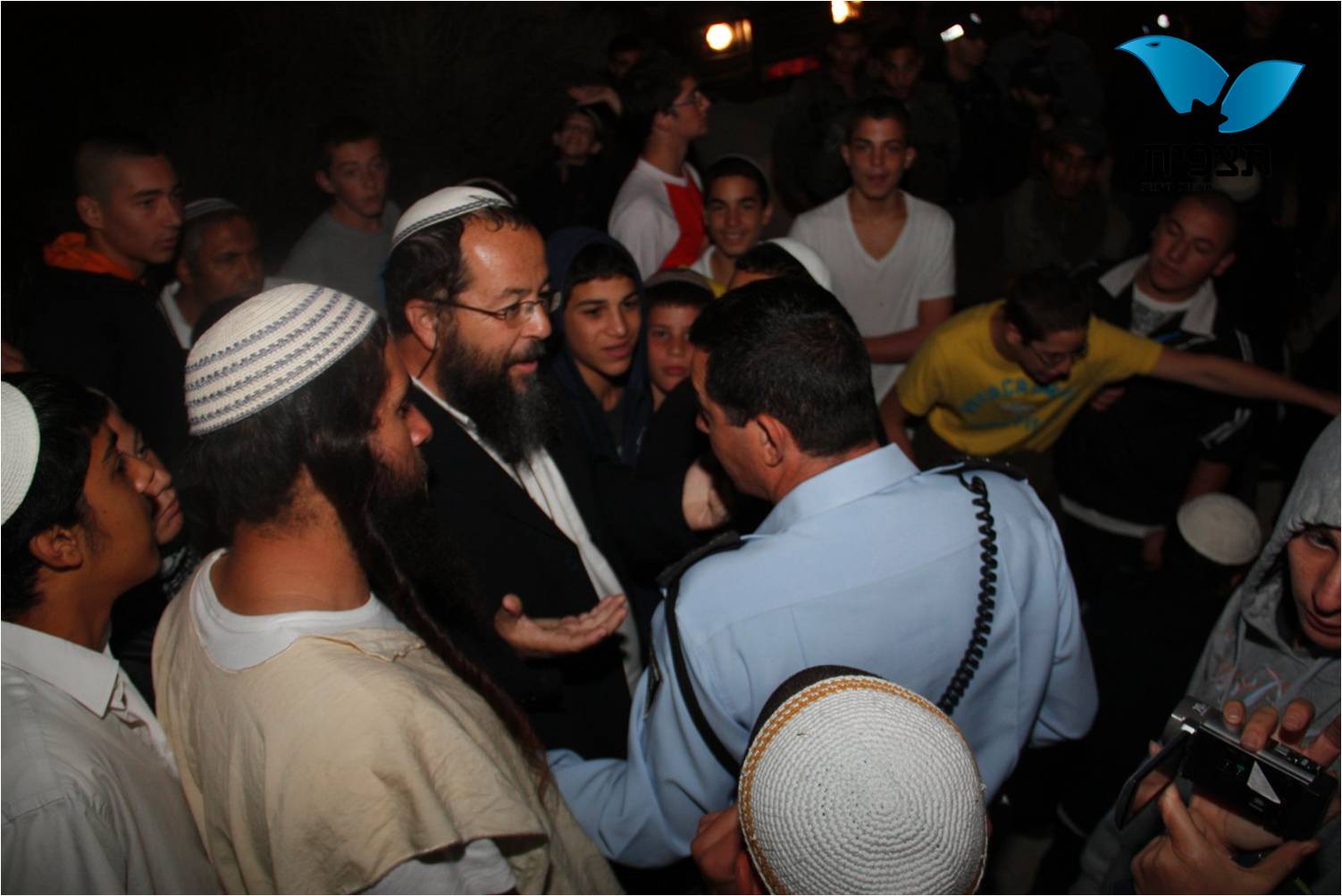
הפגנה על המצב הביטחוני בבית אל לפני 4 שנים (TPS)
המאבק לחיסולו של נוער הגבעות, הוא לא מאבק בנערים בני 15-17 אלא מאבק באידאולוגיה הזו, שמאיימת משום מה, על אותה כנופייה, אשר בשם כך, מרשה לעצמה הכול.
המאבק כנגד הצווים המנהליים, הוא המאבק על החופש שלנו, לבטא את עצמנו כיהודים, להעלות על נס את השאיפות שלנו, לאפשר לנו להגן על עצמנו אל מול רוצחינו, זה מאבק על חירות.
When you attend a convention over Shabbos and several days later you still feel your neshama tingling, you know that what you experienced was rather . . . unconventional.
That captures the experience my wife, our daughter and I shared the Shabbos before last at the inaugural convention of Project Inspire (PI) in Stamford, Connecticut. PI describes itself as a grassroots movement with the goal, simply stated yet hugely ambitious, of nothing less than helping unify the Jewish people by strengthening the bond we all share: our relationship with HaKadosh Boruch Hu and His Torah. The project’s chosen means to that most noble of ends is to motivate those of us already Torah observant to reach out and draw close, one by one, Jews estranged from Torah, while energizing our own spiritual lives at the same time.
If there was one weekend program on the packed communal calendar not to be missed, this was surely it. No, not because it featured a truly stellar cast of presenters, both world-class Talmidei Chachamim and many of the Kiruv world’s finest talents, along with deluxe accommodations and sumptuous catering iber’n kop, as they say.
The convention’s uniqueness was that while ostensibly dedicated to tackling one huge, seemingly daunting crisis, the mass estrangement of secular Jews from their G-d and His People, it actually forged a tremendously hopeful path towards addressing many other issues of pressing communal concern. We attendees may have booked reservations for a weekend dedicated to Kiruv, and we certainly got that — but also came away much, much more than we bargained for.
Have you been told that Chassidic and Yeshivish communities seem so internally focused and oblivious to the spiritual aridness of the larger Jewish world? Then you ought to have seen and heard what chassidishe yungeleit – dozens were there with their families – are doing, with creativity and gusto, to debunk negative stereotypes of frum Jews and Judaism and to instead infuse secular Jews in the New York area and way beyond it, with positive Jewish experiences.
Have you been led to believe that more “modern” Jews are, by definition, religiously complacent and uninterested in growing spiritually? Then you’d have been enriched by seeing yidden with a decidedly non-heimish external appearance enthusing over one or another class they’d just attended – or giving one of their own.
And for those troubled by the way our diverse communities are so Balkanized, with precious little interaction between them, this Shabbos would have been a profoundly enlightening experience. After all that we regularly hear and read about the overriding importance of achdus in Klal Yisroel, here, finally, was 48 hours of honest-to-goodness unity, the natural, organic, kind, among a most diverse spectrum of frum Jews. A spirit of goodwill and shared purpose, plainly palpable and downright infectious, filled the very air of the meeting spaces, the capacious lobbies, the dining rooms at mealtime.
The memorable vignettes of inter-frum bonding over the weekend are many: A chassidishe yungerman leading the entire assemblage, 800 strong, in wordless niggun as all waited for Rabbeinu Tam’s z’man to arrive and then conducting a soulful havdalah. A clean-shaven South African physician, leather yarmulke, colored shirt and all, sharing the secrets of his success, for many years now, at hosting Shabbos se’udos for 40-50 non-observant guests at a time, with an enthusiastic audience from Monsey, Boro Park and elsewhere hanging on his every word – and its mirror images: a for-women-only session entitled Mommy, What Happened To You? From a Chassidishe Housewife to Inspired Kiruv Activist, and a Williamsburger (yes, named Yoel) sharing his fascinating exploits as a Kiruv entrepreneur.
The inter-communal barriers were down right from the convention’s outset, an authentic moment of k’ish echod b’leiv echad arriving just slightly ahead of schedule. All were in thrall to Rav Zev Leff’s exhortations to personal and national greatness; all were moved to laughter, then to tears, and back again, by Rabbi Paysach Krohn’s trademark mix of ma’aseh and message; all were caught up in the passion for Kiruv embodied by jack of all trades and master of ceremonies extraordinaire Rabbi Yaakov Salomon, PI founder Rabbi Chaim Sampson and its director of programming, Rabbi Mordechai Tropp.
Why is it that achdus within our camp, elusive so much of the time, was so easily achieved over these two days? I sensed several factors at work. One is that the entire convention was predicated upon a shared goal, a common cause and a particularly selfless, other-directed one at that: reconnecting fellow neshomos to Avihem Shebashomayim. When we stand shoulder to shoulder looking out at the challenge of embracing our fellow Jews — much as Klal Yisroel camped “k’neged hahar,” facing the har Hashem that we are summoned to scale — all is well among us.
And so, too, when we look inward and find more than enough that needs fixing, we feel unable to afford the luxury of criticizing others; as the Nachal Kedumim notes, it was the sight of Har Sinai and the trait of humility it evoked that produced the unity of “as one man, with one heart.” It’s only when we lose sight of our own abundant shortcomings and swivel instead to face each other that we find the nits to pick and axes to grind that lead to loshon hora, strife and worse.
For all the can-do spirit and good vibes pervading the atmosphere, there was also a felt sense of urgency, borne of the acute sense that, as one speaker put it, we’re now “in the end game” of the American Jewish saga. The twin ravages of intermarriage and assimilation are causing the Jewish population to dwindle ever more sharply and making the possibility of even identifying who’s Jewish ever more difficult. Somehow, knowing that the days in which Kiruv is even an option are, cholilah, numbered, and that each one of us was placed in this concluding historical era by design, makes the mostly petty differences that divide us fade quickly from view.
Sunday morning arrived and a spiritually exhilarating weekend was soon to conclude – and then it happened. We all were subjected to a bait-and-switch. After numerous brief presentations on a host of exciting kiruv initiatives through Aish HaTorah and others, including highly motivated individuals who’ve simply rolled up their sleeves and begun reaching out in innovative ways, Rabbi Dovid Orlofsky rose to speak.
In a tour de force of side-splitting humor punctuated by sober reflections on where we are spiritually as individuals and as a community, Reb Dovid made a compelling case that the excitement for, and deeper understanding of, Yiddishkeit that involvement in Kiruv engenders is the last best hope . . . for us.
All weekend long, the message was about our brethren, distant from Hashem and so desperate, knowingly or not, for ultimate meaning, and that’s all true. But as Reb Dovid spoke, it dawned that the depredations of our new-found affluence and the crass American culture that seeps in willy nilly to even the most insular of communities have made us all “all risk,” of losing sight of what we’re here for – to live lives filled with the incomparable pleasure of connection to Hashem.
Bait-and-switch, indeed. But not one of us wanted our money back, only for this “un-convention” to not end.
הרב הלל פלאי הלחין את מילותיו האחרונות והמרטיטות של הרב משה צבי נריה זצ”ל – “תנו לי קדושת אהבת ישראל” ● דודי קאליש עיבד ושר ● האזנת בכורה ● מתוך השיר: קדושה – אני מבקש. קודש הקודשים – אני מבקש. תנו לי קדושת ארץ ישראל. תנו לי קדושת אהבת ישראל.
הרב הלל פלאי הלחין בימים האחרונים את מילותיו האחרונות והמרטיטות של הרב משה צבי נריה זצ”ל.
וכה מספר בנו של הרב: “בליל ז’ כסלו, כשעמדתי לידו והוא חלוש ביותר, הצעתי לו ללמוד כדרכו ביום זה משהו מדברי הרב חרל”פ.
“הוא הנהן בראשו.
“לשאלתי מאיזה ספר של הרב חרל”פ רצונו ללמוד, השיב בלחש ‘על קדושת התורה’.
“לא הכרתי ספר כזה, אך נטלתי לידי את ספרו של הרב חרל”פ “מי מרום” על פרקי אבות. בסוף הפרוש על פרקי אבות, נפתח הספר בדיוק במאמר “על קדושת התורה וארץ ישראל”.
“הקראתי לו קטע מתוך דבריו המרוממים של הגאון הצדיק. כששמע אבא את הדברים התרגש מאד, ולמרות רפיון כוחותיו קרא בקול גדול:
המילים:
“קר לי… תחממו אותי בדברי תורה תאחזו בארץ ישראל ובקדושתה תנו לי קצת עירוי דם לנפשי לחזק אותה ולחזק את תלמידי. אני מבקש! קדושה – אני מבקש. קודש הקודשים – אני מבקש. תנו לי קדושת ארץ ישראל. תנו לי קדושת אהבת ישראל. לא סתם דיבורים תנו לי הרגשת קדושת א”י! ואז קרא כמה פעמים בקול גדול: ‘שמע ישראל ה’ אלוקינו ה’ אחד’. וסיים במילים: ‘נוציא את כולנו ונתקדש כולנו’.
Moshe, who is known as a person of limitless patience and tolerance, forgiving to all and the most humble of all humans, reacts apparently in an uncharacteristic manner to the attack mounted against his personal leadership of the Jewish people by Korach. Moshe’s aggressive stance against the rebels reveals therefore a different motive to that attack than mere office-seeking on the part of the rebels. For after all it was Moshe who himself declared that “would all of the people of Israel become prophets.” He tells Yehoshua not to be zealous in defense of his personal honor. And yet here with Korach and his followers Moshe adopts such a hard line and an uncompromising stance. The Torah always notes for us behavior of great people that on the surface appears to be uncharacteristic of their nature and past performance. Part of the reason for the Torah’s doing so is to alert us to a deeper issue that lies here and not to be satisfied with the superficial and surface statement of facts. And the deeper issue present here is that Korach wishes to convert Torah and Judaism to a man-made, “democratic” faith from its original and true source as being a faith revealed to humans from on high, a faith and life system ordained in Heaven and revealed to humans. Therefore it is not Moshe and his leadership that is the core issue in this dispute but rather it is the basic definition of Judaism – is it Godly or man-made, revealed or invented? And on that basic core issue of Judaism, Moshe sees no room for compromise or unjustified tolerance. It is not Moshe’s position that is at stake here. It is the understanding and true meaning of Judaism and its future that is now at risk.
Even though the Talmud teaches us that the dispute of Korach against Moshe is not one that is destined to last eternally, it nevertheless in the sense that I have described above, lasted until our very day. The struggle to maintain Judaism as a Godly revealed religion is an ongoing one. There are many forces within and without the Jewish world that have attempted and still attempt to remove the Godly revealed part out of Judaism. In spite of all of Jewish history that indicates the abject failure of such an approach, it still persists in our time. It is not an attack on the Orthodox establishment, so to speak – Moshe – that is present here, though on the surface it may be presented as such. At the root of the dispute is the view of Judaism that it is from Heaven given to earth and not merely a clever invention and artifice of ancient rabbis and scholars. Rabbi Samson Raphael Hirsch once characterized the difference between Judaism and other faiths as being that Judaism was a religion given by God to define man while the other faiths were created by man to define God. God is beyond our meager abilities to define or understand. Therefore He gave us a Torah, the Torah of Moshe, in order to aid us to live as proper human beings and as His devoted servants.